University of Cambridge report finds Schlumberger 'red' rated despite continued investments
Edited by Lily Isaacs
Set against the backdrop of a European heatwave and wildfires in Greece - described as ‘an era of global boiling’ by UN chief Antonio Guterres - on 18 June 2023 the University of Cambridge released its final report led by Nigel Topping on its relationship with fossil fuel companies.
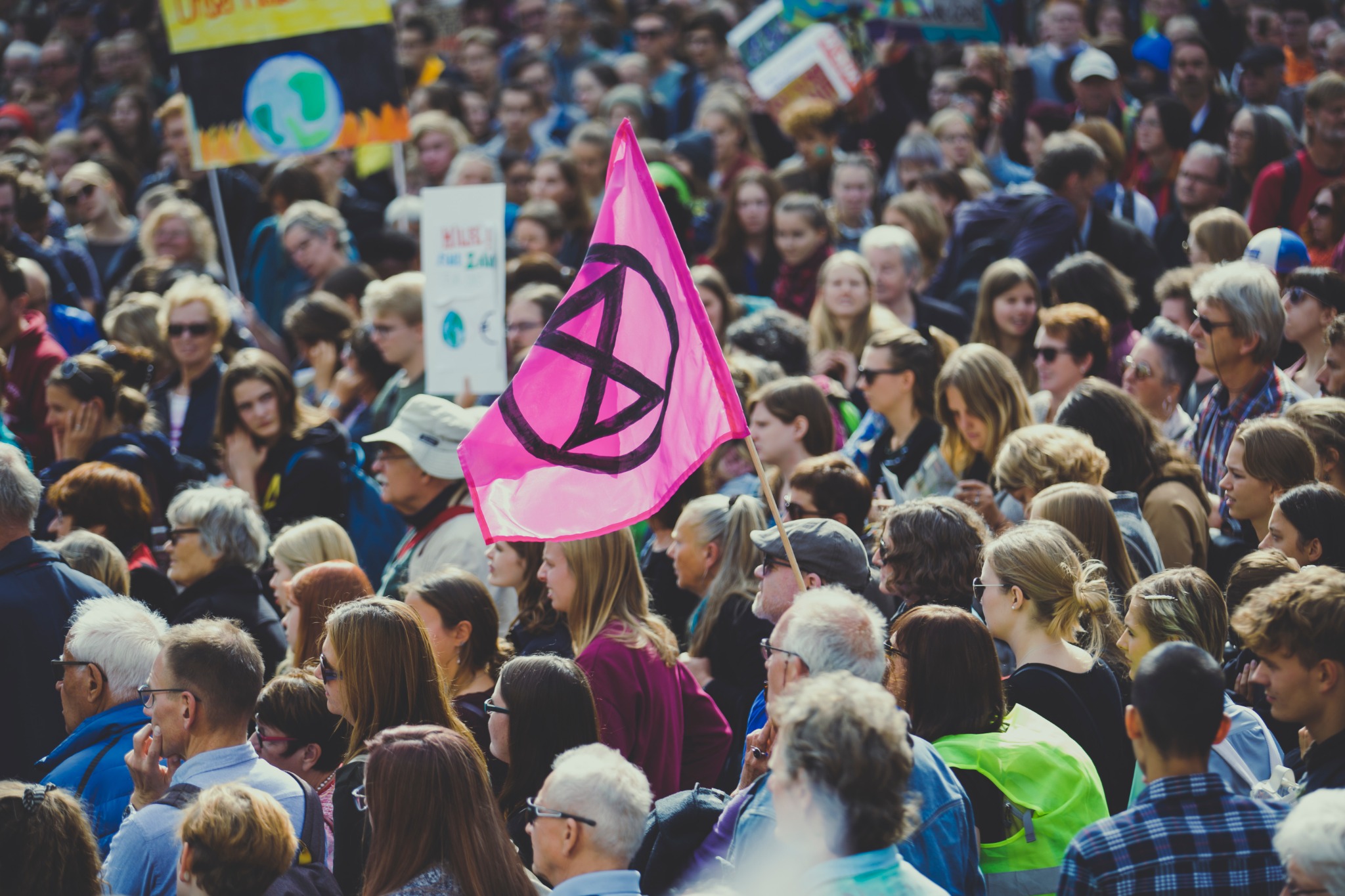
This coincides with the ongoing campaign ‘Schlumberger Out!’ by Extinction Rebellion Cambridge calling upon the University to divest from SLB (formerly Schlumberger) and other companies.
The report concludes that the ‘University receives relatively small amounts of funding from industrial partners, amounting to 5.1% of all research/philanthropy funding.’ These statistics do not take into account partnerships with Cambridge Colleges ‘as they are not tracked at the University level’ leaving questions to be asked about transparency and accountability at the collegiate level.
Currently BP and Shell, who have jointly given £19.7m in funding between the years 2016/17 to 2021/22, are rated amber by the CBELA (Committee on Benefactions and External and Legal Affairs’. The CBELA reviews companies against the University’s climate change guidelines, analysing the alignment of ‘sources of funds’ and ‘uses of funds’ with the University’s climate goals. According to a classification document, a rating of amber means ‘limited alignment between the interests of the University and the company with regard to the climate change guidelines but there are some indications that the company could achieve better alignment in the future.’
The report says that: ‘detailed due diligence has been presented to the committee’ that ‘no oil and gas companies are aligned with the University’s level of ambition on any of the three main categories of criteria’ and are ‘continuing to explore and acquire fossil fuel resources’ despite having ‘more project options than needed for below 2 °C scenarios.’ An independent assessment by the TPI (Transitions Pathway Initiative) found that both companies are not aligned with long-term or short-term 2.6 ° targets.
Continued ties could cause “high reputational risk [and] major concerns overall”. The report also concedes that the CBELA ‘has all the evidence it needs’ and that ‘it is difficult to find the logic behind the decision to continue to accept funding from fossil fuel funding sources.’ It argues that the process has so far ‘placed undue emphasis on the benefits’ overlooking ‘reputational risks ‘and ‘missed opportunities’ calling for the process to have ‘clearer decision logic and transpar[ency]’ on the basis of the University’s ‘legal and regulatory position as a teaching and research charity.’
A rating of red, according to the report, means that the company’s actions are not aligned with the University and suggest that ‘the University will not accept funds’. The report also states that ‘Schlumberger is red rated’. What the report fails to mention is the University’s continued ties with the ‘red rated’ company.
The report calls for broadening the scope of restrictions to companies not only ‘constructing' or ‘exploring’ but ‘facilitating’. This would mean that companies with contractual ties to the fossil fuel industry such as the banking industry, consultancy and manufacturing could be scrutinised.
The report states ‘this is 8 years after Paris, 5 years after the IPCC report on 1.5 °C and 3 years into the CBELA process of assessing alignment.’
The report makes 4 main recommendations: to start a fundraising drive to fund research; should tighten the CBELA process and use third party analysis presumably to mitigate the potential conflict of interests brought about by a University carrying out its own assessment of companies making donations to its research; and last, the report recommends that the CBELA process should not be applied to companies ‘facilitating’ ‘exploration’ or ‘building’ new infrastructure instead suggesting a long-term ‘alignment’ of goals.
Upon being approached for comment, XR ‘SLB Out!’ campaign said:
"It's good to see the uni making a start, but they're decades behind the science with this. The report is based on targets that many climate scientists think aren't plausible for human survival - we certainly know that these unambitious models create huge sacrifice zones and guarantee climate-related death and displacement. We won't applaud the bare minimum.
For us, one small but key detail is the confirmation that SLB are "red" rated by the university endowments committee. This means that they have downgraded the company in recognition of its incompatibility with climate targets. Why are they still on campus if this is the case? It doesn't inspire confidence in the university's willingness to act on its own supposed values"
The University of Cambridge did not respond to a request for comment.
Post a comment